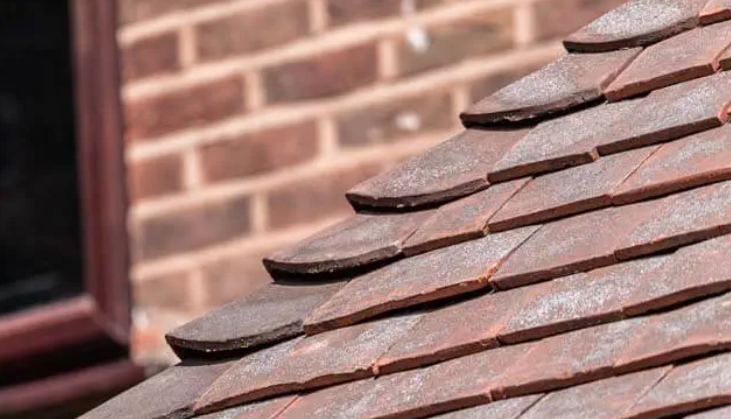
People often wonder, how long should a tiled roof last? It’s a fair question. Day in and day out, it keeps out rain, shrugs off frost, and weathers the shifting seasons. Concrete, clay or slate – tile lifespans differ. Some start showing wear within a few decades. Others stand strong for well over a century, outlasting several generations of owners.
It’s often a toss up between spending more now for a roof that lasts longer, or spending less now and replacing or repairing early. Material longevity is an important consideration when deciding on roof tiles. You may need to save for a future replacement. You may prefer to focus on regular checks and maintenance. Either way, a clear idea of lifespan makes decisions easier.
What Determines Roofing Tile Lifespan
Several things decide how long tiles last. The obvious one is material. Clay, concrete and slate each behave differently. Clay holds colour and shrugs off frost, whereas concrete offers affordability and uniformity. Slate delivers unrivalled longevity but costs more upfront.
Weather plays a big part. Tiles in exposed parts of the country take more of a beating from wind and rain. But, installation also matters. A poorly fixed roof can cut the life of tiles in half. Finally, maintenance ties it all together. A roof that’s checked twice a year will always outlast one that’s ignored.
Average Roof Tile Lifespans
So what numbers can you expect? Here’s a rough guide drawn from UK roofing trade data:
- Clay tiles: 60–100 years, sometimes more.
- Concrete tiles: 40–60 years.
- Natural slate: 80–120 years, with many historic roofs lasting longer.
These ranges aren’t guarantees. A storm, a poor repair job, or unchecked moss can reduce them. On the other hand, careful upkeep can push them further.
Warning Signs
Tiles don’t suddenly fail overnight. You’ll usually spot signs long before replacement becomes urgent.
- Broken or missing tiles that leave underlay exposed.
- A roofline that looks uneven or sags in places.
- Moss and algae growth that trap moisture.
- Damp marks or water ingress indoors.
- Light showing through the loft.
Any of these are red flags; it’s time to call a roofer if more than one shows up.
Why Installation Quality Counts
The difference between a roof that lasts 40 years and one that lasts 100 often comes down to the installer. Good roofing is a combination of quality materials and quality workmanship. The choice of roof tiles and the corresponding nails, proper batten spacing, and breathable underlay is essential. However, skilled workmanship isn’t an optional extras. It’s worth checking your contractor’s accreditations. You’ll get peace of mind if the contractor has membership to trade bodies like the CORC, or references from past clients.
Keeping Tiles in Good Shape
You don’t need to climb up yourself, but regular checks are essential. Ideally:
- Inspect in spring and autumn.
- Clear gutters so rain can drain away.
- Remove moss and debris safely.
- Replace cracked or slipped tiles immediately.
- Check ridge and verge tiles, plus chimney flashing.
These jobs don’t take long for a professional but they can add decades to a roof’s life.
When It’s Time to Replace
Even the best tile won’t last forever. You can epect to replace concrete tiles after 50 years. Clay can survive twice that with care. Slate, properly installed, might never need replacing within your lifetime. Costs rise in that order too: concrete cheapest, clay mid-range, slate premium. The balance is between upfront spend and long-term value.
So, how long should a tiled roof last?
A tiled roof can last between 40 years to 120, depending on what it’s made of, how it’s installed, and how it’s looked after. Clay and slate are the champions for longevity. Concrete gives an affordable but shorter-lived solution.
If you’re unsure where your roof stands, don’t wait for a leak. Get a professional inspection We supply tiles, fixings, and membranes from trusted UK brands. Our team advises on the right products for your property. With the proper care, the right roofing tiles will protect your home for decades.