When to replace roof underlay in Oldham depends on the age, condition, and performance of the existing roof system. The underlay is one of the most important yet hidden layers in any roof. It sits beneath the tiles or slates, forming a secondary barrier against rain, wind, and dust. In Oldham’s wet and windy climate, that barrier works hard year-round. Over time, even the best materials degrade, leading to leaks, damp insulation, or sagging felt. However, many homeowners only discover problems once water damage appears indoors. Understanding the early warning signs helps prevent major repairs and keeps the roof performing efficiently for decades.
What Roof Underlay Does and Why It Matters
Roof underlay performs several key roles. It protects the roof structure from wind-driven rain and acts as a temporary waterproof layer if tiles shift or crack. It also reduces drafts, helps insulation work effectively, and keeps dust out of the roof space. In Oldham, roof underlay has to handle constant temperature changes and frequent rainfall. Traditional bitumen felt, used for decades, often becomes brittle and cracks with age. Modern breathable membranes, by contrast, allow moisture vapour to escape while blocking water from entering. This balance prevents condensation inside the roof and extends timber life. Therefore, keeping the underlay in good condition is essential for both comfort and structural integrity.
Signs You Need to Replace Roof Underlay
Knowing when to replace roof underlay saves time and money. The most common warning signs include damp patches on ceilings, musty odours in the loft, or visible sagging felt between rafters. Roofers also check for torn or missing sections when replacing tiles or inspecting ridge systems. Meanwhile, daylight shining through gaps or loose fixings often signals that the underlay has lifted or deteriorated. In older roofs around Oldham, nails can corrode and tear through the felt, creating small holes that spread water along the rafters. Persistent condensation or mould growth on timbers is another clear indicator that the underlay no longer controls moisture effectively. Early replacement stops these issues from escalating into rot or costly re-roofing work.
Modern Materials and British Standards
In Oldham, roofers replace roof underlay with high-performance membranes that comply with British Standards. The main standards (BS EN 13859-1 and BS 5534) set out testing requirements for water resistance, wind uplift, and strength. Breathable membranes made from multi-layer polypropylene are now standard on most pitched roofs. They allow water vapour to escape while maintaining a watertight barrier beneath tiles. Roofers fix these membranes with stainless-steel nails and overlap each course according to manufacturer guidelines. Also, some membranes include integrated tape for added wind resistance in exposed areas. These materials outperform traditional felt and can last 40 years or more when installed correctly. Homeowners benefit from drier roof spaces, better energy efficiency, and reduced maintenance.
How Roofers Replace Roof Underlay
Replacing roof underlay requires a systematic approach to ensure full protection. Roofers remove the existing tiles or slates and inspect the battens and rafters for decay. Damaged timber must be repaired or replaced before fitting the new membrane. Contractors then roll out the underlay horizontally from eaves to ridge, maintaining proper overlaps and alignment. Ventilation paths must stay open at eaves and ridge to prevent condensation. Meanwhile, roofers fit counter battens to secure the membrane and provide fixing points for tiles. They finish by reinstalling tiles using BS 5534-compliant fixings to resist wind uplift. Each stage follows strict standards to ensure the roof remains watertight and breathable. This process typically takes a few days, depending on roof size and weather conditions.
Preventive Maintenance and Inspection
Roof underlay can last for decades, but periodic checks ensure it stays functional. Homeowners in Oldham should arrange roof inspections every few years, especially after storms or prolonged wet weather. Roofers look for loose tiles, damaged flashing, and any signs of underlay exposure. For example, replacing a few cracked tiles quickly prevents water from pooling beneath the surface and damaging the membrane below. Regular maintenance extends the roof’s lifespan and avoids full replacement before it’s necessary. Also, when re-roofing becomes unavoidable, upgrading to a modern breathable system delivers long-term value. Preventive maintenance remains the simplest way to protect your investment and maintain a comfortable, dry home.
Professional Advice and Local Support
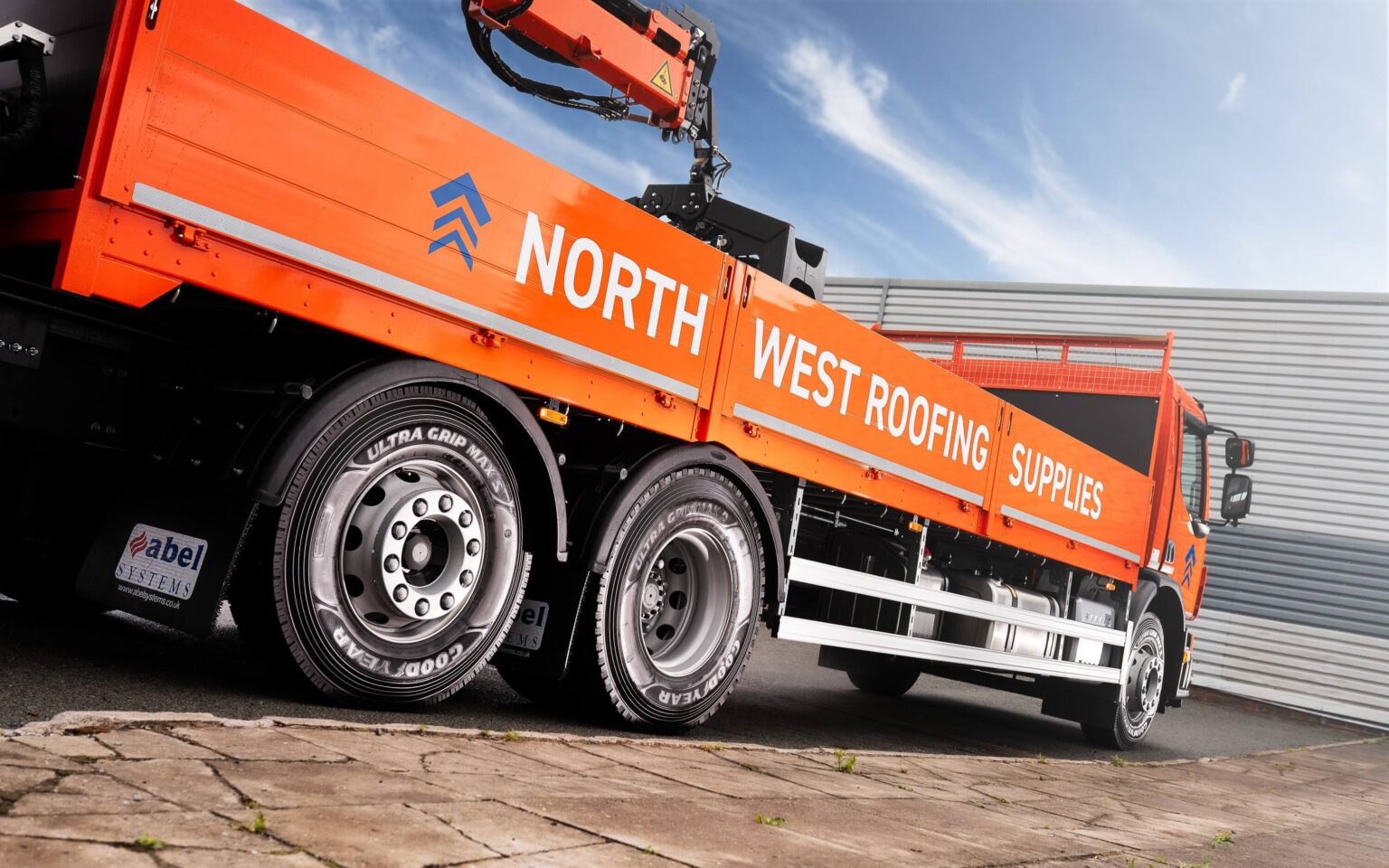
When to replace roof underlay in Oldham depends on visible signs, roof age, and inspection results. The best time to act is before problems reach the interior. A modern breathable membrane improves ventilation, prevents leaks, and supports energy-efficient performance. Therefore, homeowners should work with qualified roofers who follow British Standards and use high-quality materials. North West Roofing Supplies has underlays, battens, fixings, and ridge systems from trusted brands. Whether you’re repairing localised damage or planning a full re-roof, our team can recommend materials that ensure long-term protection against the North West’s weather.