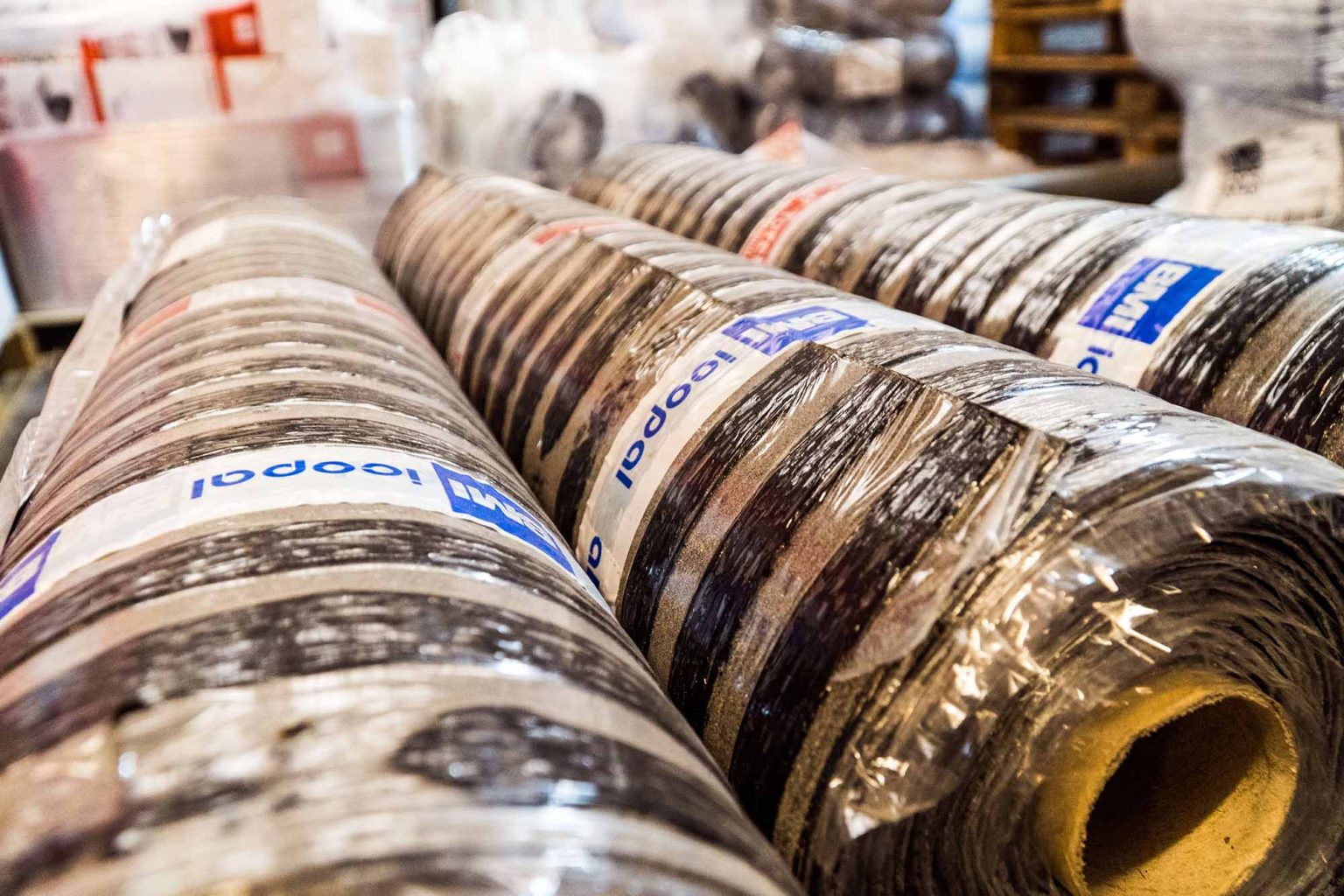
For UK homeowners, a well-maintained roof is paramount. It protects your home from the elements, safeguards your belongings, and contributes to the overall thermal efficiency of your property. When it comes to modern roofing systems, a crucial but often overlooked component is the underlayment, specifically a breathable felt. Let’s take a look at breathable felts, exploring their benefits and why they’re a necessity for roofs in the UK.
So, What is Breathable Felt?
Breathable felt, also known as a breathable underlay membrane (BUM), is a high-tech sheet material laid directly onto the roof rafters before the final roof covering such as tiles, or slates is installed. Unlike traditional non-breathable felts, BUMs are designed to allow water vapour to escape from the roof space while remaining watertight from the outside.
Why is Breathable Felt Necessary in the UK?
The UK climate is a double-edged sword for roofs. While we don’t experience extreme weather events as frequently as some countries, our homes are exposed to a combination of rain, wind, and fluctuating temperatures. This creates a constant battle against condensation.
Warm air inside your home naturally rises and encounters the cooler roof structure. This contact point can cause moisture to condense on the underside of the roof deck, leading to a multitude of problems:
Mould Growth: A damp environment is a breeding ground for mould. Mould spores can not only damage the roof timbers but also pose health risks to occupants, causing respiratory problems and allergic reactions.
Rot and Decay: Moisture-laden timbers are susceptible to rot and decay, compromising the structural integrity of your roof. Extensive repairs can become necessary if left unchecked.
Reduced Insulation Efficiency: Wet insulation loses its ability to keep your home warm, leading to increased heating costs and diminished comfort levels.
Benefits of Using Breathable Felt:
Breathable felt tackles these issues head-on by offering several key benefits:
Moisture Management: The key characteristic of a BUM is its breathability. It allows water vapour to escape from the loft space through microscopic gaps in the membrane. This prevents condensation build-up on the underside of the roof deck, significantly reducing the risk of mould growth and rot.
Improved Ventilation: BUMs often come with integrated ventilation paths or overlaps that encourage air circulation within the roof void. This further assists in removing moisture and maintaining a healthy roof environment.
Enhanced Weather Protection: While breathable, BUMs are also highly water resistant. They act as a secondary barrier against rain and snow ingress, protecting your roof timbers and the interior of your home from water damage in case of leaks in the main roof covering.
Increased Insulation Performance: By preventing moisture build-up in the roof structure, breathable felts help maintain the effectiveness of your roof insulation. This translates to a warmer home in winter and lower energy bills.
Lifespan and Durability: Modern BUMs are manufactured from robust, UV-resistant materials, ensuring a long lifespan and minimal maintenance needs. This contributes to the overall longevity of your roof system.
Choosing the Right Breathable Felt:
When selecting a BUM, it’s crucial to consider several factors:
Roof Pitch: The angle of your roof will dictate the breathability level required in the felt. Steeper roofs allow for natural ventilation, so a slightly less breathable membrane might be suitable. Conversely, flat or low-pitched roofs require highly breathable felts to ensure proper moisture management.
Roof Covering: The type of roof tiles or slates you’re using can influence the BUM selection. Some tiles may require a higher level of water resistance in the underlayment.
Building Regulations: Building regulations in the UK (specifically BS 5534: Slating and Tiling for Roofing) stipulate the use of a breathable underlayment in most new roof constructions. Consulting a professional roofer can ensure you meet all necessary regulations.
Installation Considerations:
While some DIY enthusiasts might be tempted to tackle BUM installation, it’s highly recommended to hire a qualified and experienced roofer. Proper installation is crucial for the effectiveness of the breathable felt. Roofers ensure the membrane is laid correctly, overlaps are sealed effectively, and ventilation paths are maintained.
Why You Need Breathable Felt on Your Roof

Breathable felt is no longer an optional extra; it’s an essential component of a modern roof system in the UK. By preventing condensation, improving ventilation, and offering superior weather protection, BUMs contribute to the overall health, longevity, and energy efficiency of your roof. For homeowners, peace of mind comes from knowing your roof is well-protected, while professional roofers understand the value BUMs offer in creating a robust and durable roof system.
We offer a huge range of excellent quality roofing materials. From tiles, battens, insulation as well as breathable felt, we are the top roofing supply merchant you can rely on. Furthermore, our prices mean that you receive excellent value for money – excellent quality products at great prices. To find out more about our available breathable felt, contact North West Roofing Supplies today. Our knowledgeable team of experts is on hand to assist you with any information you need.